Activities
Galle Fort Tour
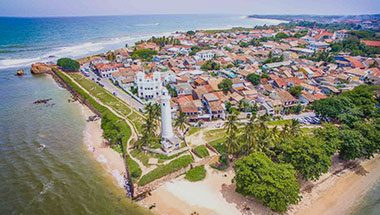
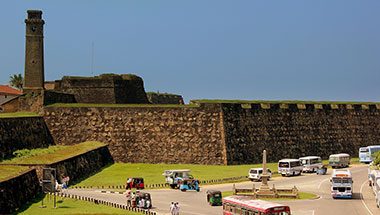
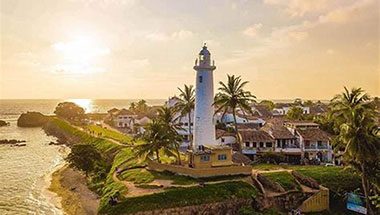
The Galle Fort, also known as the Dutch Fort or the “Ramparts of Galle”, is a historical, archaeological and architectural heritage monument, which even after more than 423 years maintains a polished appearance, due to extensive reconstruction work done by Archaeological Department of Sri Lanka. Galle lighthouse, Galle clock tower, Groote Kerk – Galle, All Saints’ Church – Galle, National Museum in Galle, Old Dutch Hospital, National Maritime Museum Galle are main archaeological and architectural heritage monuments in Galle fort. The fort has a colorful history, and today has a multi-ethnic and multi-religious population. The Sri Lankan government and many Dutch people who still own some of the properties inside the fort are looking at making this one of the modern wonders of the world. The heritage value of the fort has been recognized by the UNESCO and the site has been inscribed as a cultural heritage UNESCO World Heritage Site under criteria IV, for its unique exposition of “an urban ensemble which illustrates the interaction of European architecture and South Asian traditions from the 16th to the 19th centuries.”
Koggala Lake Boat Safari
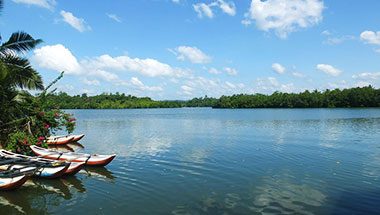
Koggala Lake, located on the southern coast of Sri Lanka, is one of the country’s largest and most picturesque natural lakes. It serves as a vital ecosystem, supporting diverse flora and fauna while offering visitors a serene escape from bustling city life. The lake’s calm waters, surrounded by greenery and dotted with small islands, make it a popular destination among nature lovers and adventure seekers. Historically, the lake has been a significant part of the local community, providing resources and serving as a hub for traditional livelihoods such as fishing and cinnamon cultivation.
Travelers visiting Koggala Lake can expect a peaceful atmosphere that is ideal for relaxation and exploration. The landscape is characterized by calm, reflective waters bordered by dense mangroves and small islands. The surroundings are rich with natural beauty, featuring vibrant birdlife, traditional fishing practices, and scenic views. Visitors will find the area to be peaceful and relatively untouched, offering an authentic experience of Sri Lanka’s southern charm.
Madu River Boat Safari
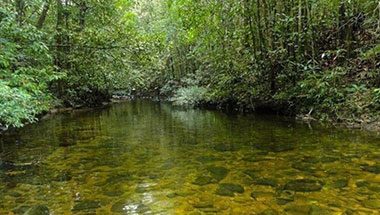
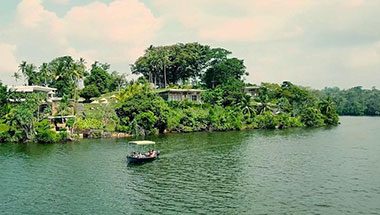
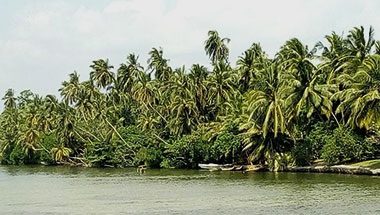
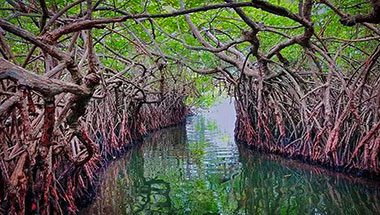
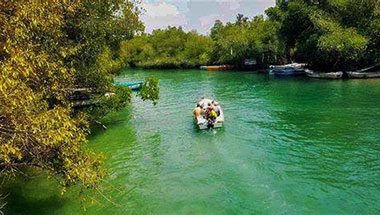
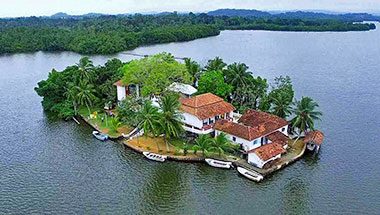
Madu Ganga is the second biggest wetland in Sri Lanka. The estuary is spread over 900 hectares of which 770 hectares are covered with water and is inhabited with 64 islands of which 15 islands have a larger landmass. Abundantly rich in biodiversity, in the area surrounding the Madu River you’ll find swampy marshlands covered in mangrove forests. It is also home to 300 species of plants and about 250 wildlife species.
Madu Ganga River is situated in Balapitiya, along the country’s southern coast. The complicated network of lagoons and off-shoots open up into the Indian Ocean.
Whale Watching
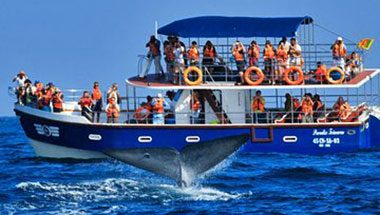
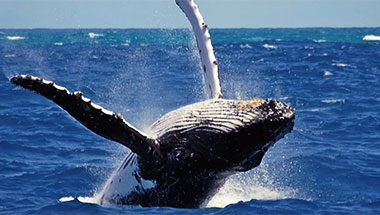
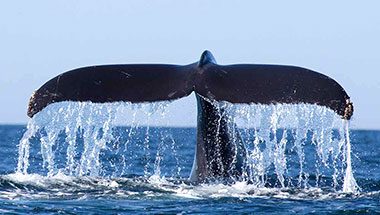
Mirissa is the new Trincomalee, with the whales, the gentle giants of the ocean and the dolphins parading their presence in the deep seas of Mirissa.
Situated at the southern coast of Sri Lanka from beyond Mirissa coast lies the Indian Ocean its vast majesty right up to the Antarctic land mass. These amazing marine mammals migrate through these vast and fertile stretches from December to April during the annual breeding season. Mirissa itself is a quiet and peaceful coastal town boasting unspoiled beaches. Blue whales, Bryde´s whales, Sperm whales, Fin whales, bottle nose dolphins, common dolphins and spinner dolphins grace the waters of Southern Seas of Sri Lanka from Weligama to Mirrissa and can be found within just eight to ten nautical miles from Mirissa harbor
Setting off from Mirissa there is a 90% opportunity to come across Sperm whales and good pretty chance of sighting the Blue whale as well. There are believed to be around 26 different species of whales traversing this region and this includes the well-loved dolphin.
Sinharaja Rainforest
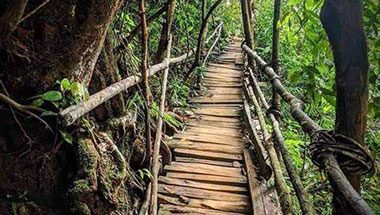
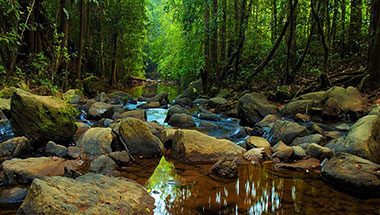
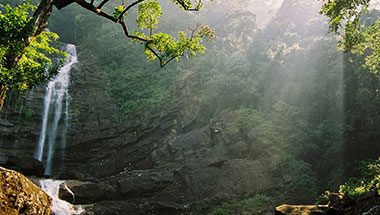
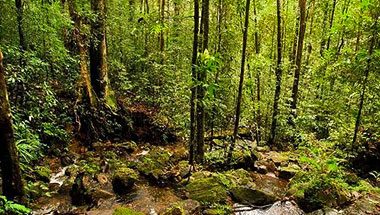
The Sinharaja rainforest is home to many native birds such as Loriculus beryllinus (Ceylon Hanging Parrot), Ocyceros gingalensis, Ashy-headed Laughing Thrush (Garrulax cinereifrons), Layard Parakeet (Psittacula calthripae), the Jungle fowl (Gallus lafayetii), the Spur fowl (Galloperdix bicalcarata), the Ceylon Wood Pigeon (Columba torringtonii), the Brown- capped Babbler (Pellorneum fuscocapillum), the Red-faced Malkoha are famous in this area.
19 of the 20 species of endemic species from Sri Lanka in Sri Lanka are in the Sinharaja Reserve.
Endangered birds include the Sri Lankan Pigeon, Green-billed Cod, Sri Lanka White-headed Sling, Red-faced Malkoha, Green-billed Caucasus, Sri Lanka, Sri Blue Shell Lankan and the Babbler with head ash, are endemic.
In sri lanka it has 12 endemic mammal species thence 8 species live in sinharaja forest. Constantly you can see in here, Giant squirrel, dusky-stripped jungle squirrel, badger mongoose and endemic purple-faced leaf monkey and torque macaque.
Many threatened species of mammals, reptiles, amphibians and butterflies are found in the Reserve. Endemism in mammals and butterflies is over 50%. Reptiles and amphibians include python, endemic viper, endemic lizard (Lyriocephalus scutatus) and horned lizard (Ceratophora aspera).
IDLE Bicycle Tour
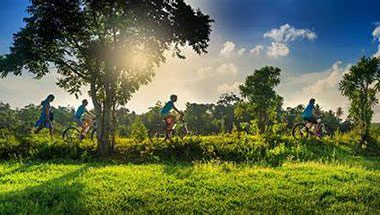
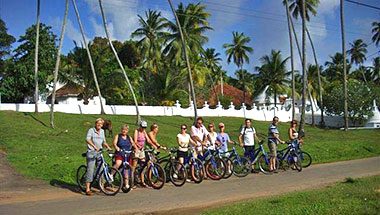
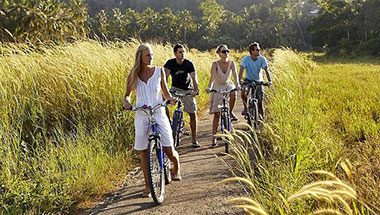
Idle bikes have been exploring the lush countryside around Galle in Sri Lanka since 2004. Our unrivalled bike routes pass lush green paddy fields, electric blue kingfishers, brilliant white egrets, big black buffalo, inland lakes, tea hills, cinnamon fields and the ever smiling and vibrant local village life.
The Paddy Trail
Our classic ride is suitable for all. It is a gentle loop starting and finishing at our base near Wijaya Beach. It passes through Eluvila Bird Sanctuary and out into the paddy fields sticking to local paths and quiet roads. There is a half way stop for king coconuts served under an ambalama in a private and exclusive jungle garden.
The Paddy & Lake Trail
It is our extended version of the Paddy Trail for cyclists who wish to stretch their legs a bit more. It includes a beautiful section cycling alongside the North West shoreline of Koggala Lake and its cinnamon plantations. King coconut stop along the way.
Yatagala Temple Experience
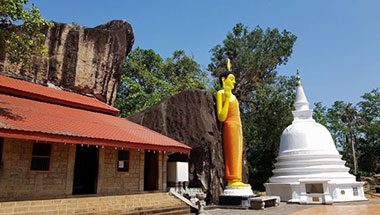
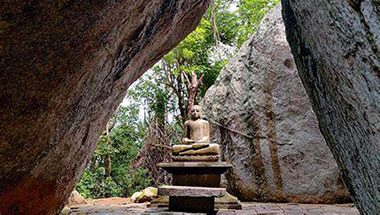
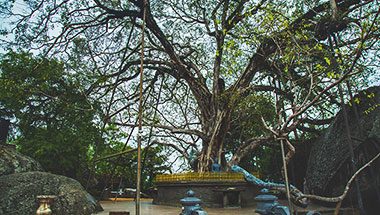
The Yatagala Raja Maha Vihara is a serene and historic Buddhist temple located about 10 kilometers northeast of Galle, in the village of Yatagala, Sri Lanka. Situated amidst lush greenery and surrounded by tranquil nature, this ancient temple offers visitors a peaceful escape from the bustling tourist spots along the southern coast. Known for its rich history, natural beauty, and spiritual significance, Yatagala Temple is a perfect destination for those interested in Sri Lanka’s religious heritage and cultural traditions.
The temple is perched on a small hill, offering panoramic views of the surrounding landscape, and is a lesser-known gem that provides a more authentic, less commercialized experience compared to some other Buddhist sites in Sri Lanka. The temple’s history dates back to ancient times, and it has been an important center for Buddhist learning and practice for centuries.
Yala National Park
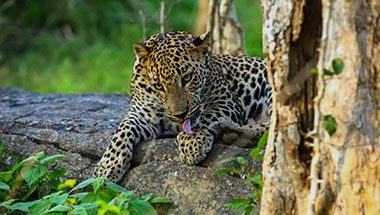
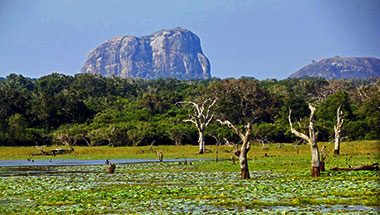
There are six national parks and three wildlife sanctuaries in the vicinity of Yala. Among the largest is Lunugamvehera National Park. The park is situated in the dry semi-arid climatic region and rain is received mainly during the northeast monsoon. Yala hosts a variety of ecosystems ranging from moist monsoon forests to freshwater and marine wetlands. It is one of the 70 Important Bird Areas (IBAs) in Sri Lanka. Yala harbours 215 bird species including six endemic species of Sri Lanka. The number of mammals that has been recorded from the park is 44, and it has one of the highest leopard densities in the world. The area around Yala has hosted several ancient civilisations. Two important pilgrim sites, Sithulpahuwa and Magul Vihara, are situated within the park.
It is situated in the southeast region of the country, and lies in Southern Province and Uva Province. The park covers 979 square kilometers (378 sq. mi) and is located about 300 kilometers (190 mi) from Colombo. Yala was designated as a wildlife sanctuary in 1900, and along with Wilpattu was one of the first two national parks in Sri Lanka, having been designated in 1938. The park is best known for its variety of wild animals. It is important for the conservation of Sri Lankan elephants, Sri Lankan leopards and aquatic birds.
Udawalawe National Park
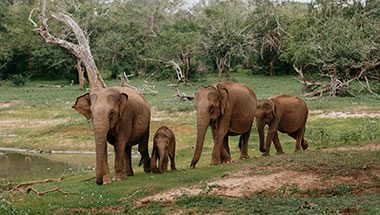
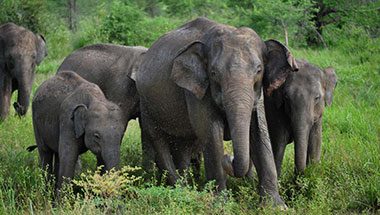
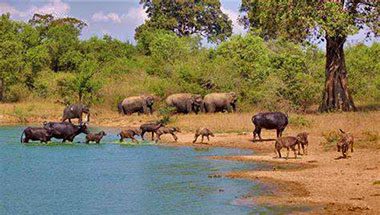
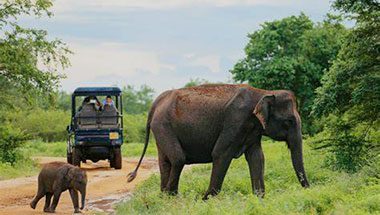
Udawalawe is undoubtedly the best place in Sri Lanka to see wild Asian Elephants throughout the year: there are about 500 elephants in the park and they often roam in herds of up to 100. Udawalawe National Park is unique in terms of consistency in numbers of elephants roaming the park: it has no a seasonal variation in herds of elephants. The best hours to visit the park are in the mornings and evenings. Late evening also affords the photographic opportunities in the backdrop of loveliest sunsets. Udawalawe has rich biodiversity. There are so many Species recorded from the park include 94 plants, 21 fish, 12 amphibians, 33 reptiles, 184 birds (33 of which are migratory), and 43 mammals. Additionally, 135 species of butterflies are among the invertebrates found in Udawalawe.
Udawalawe lies on the boundary of Sri Lanka’s wet and dry zones. Plains dominate the topography, though there are also some mountainous areas. The Kalthota Range and Diyawini Falls are in the north of the park and the outcrops of Bambaragala and Reminikotha lie within it. The habitat surrounding at the reservoir includes marshes, the Walawe river and its tributaries, forests and grasslands. In the six months ending in August 2009, the park earned revenue of Rs. 18.2 million. From 1994 to 2001 some 423,000 people visited the park, 20% of them foreigners. For the 1998-2001 period, average annual revenue was US$280,000. Postage stamps bearing the images of four wild animals of Udawalawe were issued on 31 October 2007 in the series “National Parks of Sri Lanka”, featuring water buffalo, Sri Lankan elephant, ruddy mongoose and tufted grey langur.
Virgin White Tea Plantation – Handungoda
Handunugoda Estate is the only tea estate situated in the coastal belt of Sri Lanka specializing in the artisanal manufacturing of ‘virgin white tea’ and is one of the handful of estates in Sri Lanka exporting high-quality luxury teas to global markets. Herman teas are highly specialized Teas aiming to tickle the taste buds of the consumers, providing a memorable experience while maintaining its unique flavour, can be brewed several times. Our plantation gives a clear vision of how to cope with the changing climate and intense heat that increases soil temperatures resulting in the death of young tea plants. Our tea, cinnamon and vanilla, pepper plantations are grown in a totally eco-friendly environment. It is a classic example of biodiversity and assumes a complexion of a botanical garden. A visit is a must to agriculturists and plantation Owners and Managers.
Kanneliya Rain Forest Reserve
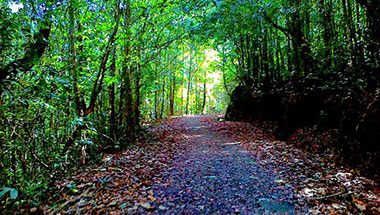
Kanneliya Rain Forest is a forest located in the Galle District of the Southern Province of Sri Lanka. Located about 35 miles away. Spread over an area of 6144 hectares, the Kannelia Forest is an ideal place for anyone who loves wildlife.
Kanneliya National Park: Kanneliya Rain Forest is part of the Kannelia – Dediyagala – Nakiyadenia (KDN) Forest Complex. The KDN Forest Complex is the last large rainforest in Sri Lanka except for Sinharaja. The Rain Forest Complex was designated a Biosphere Reserve by UNESCO in 2004. Kanneliya is one of the most valuable forest resources in South Asia. The Hora caste can be identified as the predominant plant species in the Kanneliya forest. Due to large-scale logging in the past, most of this forest is still a secondary forest. 301 species of plants have been recorded from the Kanneliya forest. These plant species include plants, shrubs, and herbs, 25% of which are endemic to Sri Lanka.